AI Could Soon Handle UPI Payments on Your Behalf
India’s UPI ecosystem could eventually allow AI agents to carry out authorised purchases and payments based on user-set instructions, budgets and permissions. The concept could simplify digital shopping, but strong safeguards around security, privacy and accountability will be essential.
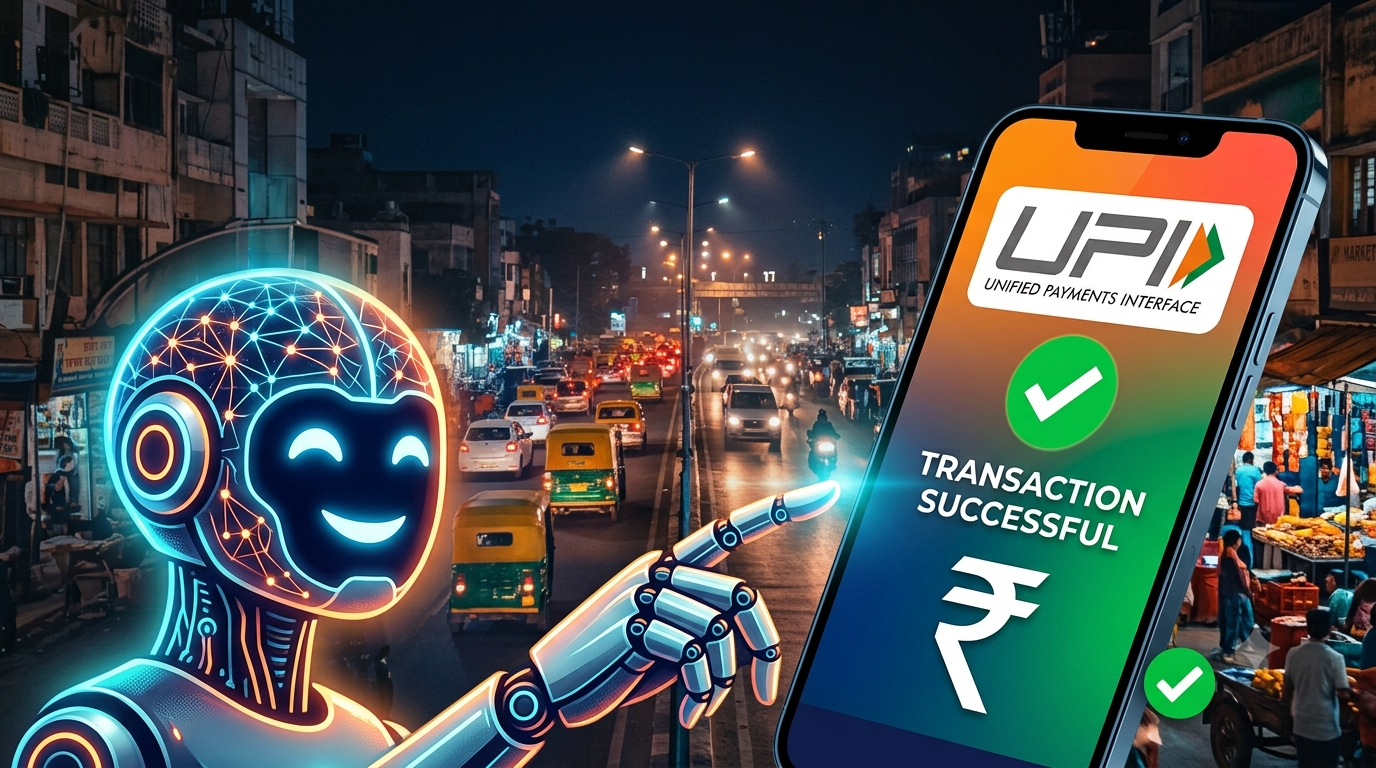
India’s digital payment ecosystem could be heading towards a new phase in which artificial intelligence plays a more active role in everyday transactions. Under the emerging concept of agentic payments, AI systems could eventually be allowed to make certain payments on behalf of users, provided they operate within predefined permissions and spending limits.
At present, UPI transactions generally require users to initiate and authenticate payments themselves. An agentic model could change this by allowing users to assign specific tasks to an AI system. For instance, a person could ask an AI assistant to purchase household essentials within a fixed budget. The system could then identify suitable products, compare available options and complete an authorised transaction without requiring the user to manually handle every step.
NPCI has been exploring ways to bring AI into the digital payments ecosystem. The organisation has already introduced AI-powered initiatives for areas such as UPI support and payment-related assistance. NPCI has also developed FiMI, an AI model designed specifically for the financial sector.
Existing UPI capabilities such as UPI Circle, which enables controlled delegation of payments, and UPI Reserve Pay, which supports pre-authorised payment arrangements, could provide building blocks for more automated payment experiences in the future.
The potential applications extend beyond routine bill payments. AI-powered shopping assistants could search across different platforms, assess products based on a user's requirements and budget, and potentially complete purchases after receiving the necessary authorisation.
However, widespread adoption of AI-driven payments would require clear safeguards. Issues such as unauthorised transactions, misuse of personal purchasing data, errors made by AI systems and responsibility for disputed payments would need to be addressed before such technology becomes a mainstream payment method.
With UPI already operating at an enormous scale, India has a strong digital payments foundation on which AI-based services could potentially be developed. However, the transition towards autonomous payments is likely to depend on robust security standards, user controls and regulatory clarity.