Canada Flight Cancelled After Child Refuses to Wear Seat Belt
A Porter Airlines flight from Victoria to Toronto was cancelled after a young child reportedly refused to wear a seat belt before take-off. The crew returned the aircraft to the terminal after attempts to resolve the issue failed. Since the runway closed later that night, passengers were rebooked on a flight the following day. The incident has sparked discussion about child behaviour, parental responsibility and strict airline safety rules.
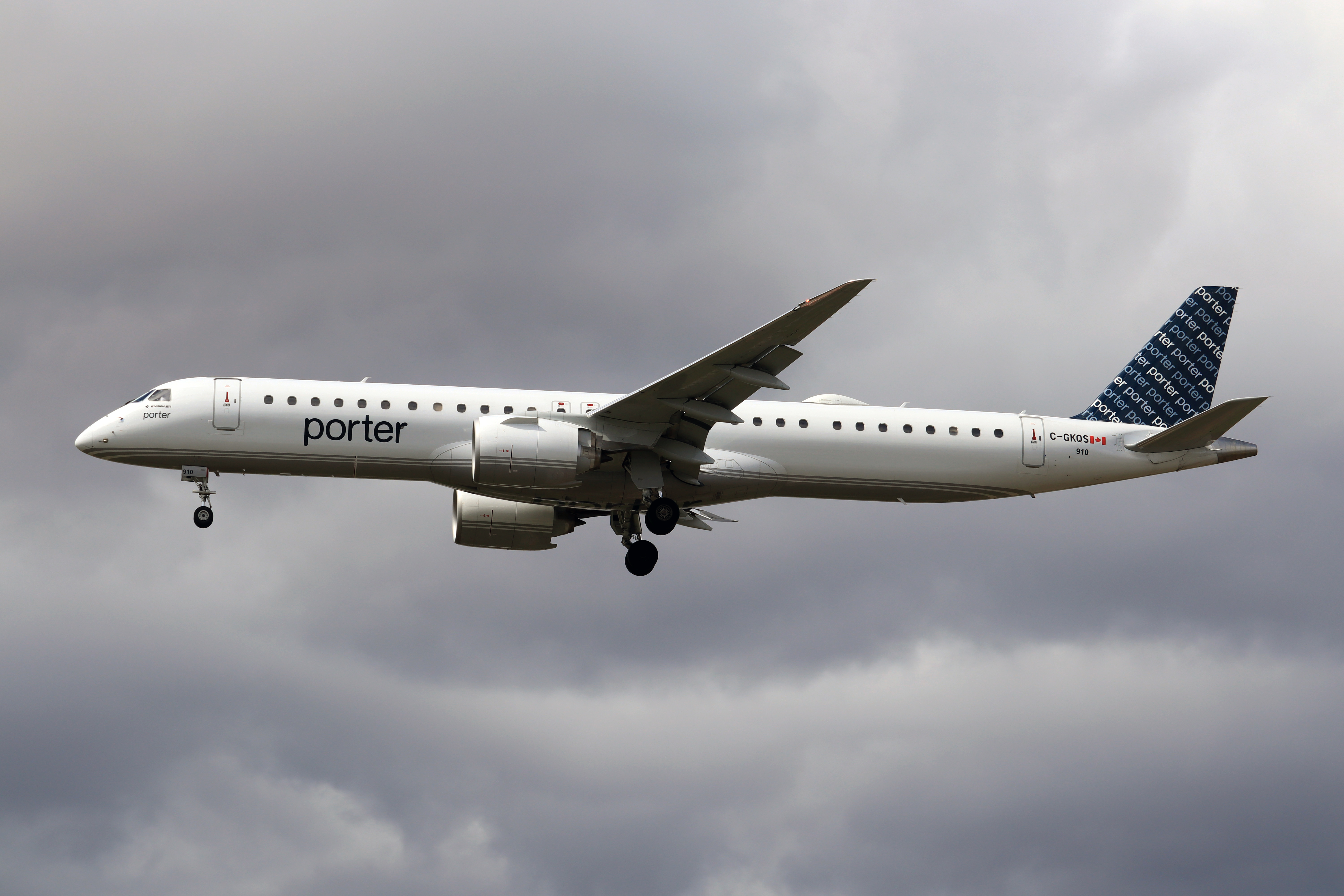
Canada: A flight operated by Porter Airlines in Canada was forced to return to the terminal after a young child reportedly refused to wear a seat belt, resulting in the cancellation of the service and the rebooking of passengers for the next day.
The incident occurred on August 6, when the flight was scheduled to travel from Victoria to Toronto. The aircraft had been preparing for departure when a situation involving a child and the mandatory safety procedures disrupted the flight.
According to details released by the airline, the child was reportedly standing on the seat and would not remain secured with the seat belt fastened. The accompanying parent and members of the cabin crew attempted to resolve the situation, but the issue could not be settled before departure.
Aircraft Returned to Terminal
Because the child was not secured as required, the crew decided that the aircraft could not safely continue with the departure process. The plane was therefore brought back to the terminal, and the child and accompanying passenger left the aircraft.
The decision had consequences for everyone travelling on the flight. By the time the situation was dealt with, the aircraft could no longer leave before the airport's runway operating period ended after midnight.
As a result, passengers were unable to continue their journey that night. They were instead rebooked onto a flight scheduled for the following day.
Why Seat Belt Rules Matter on Flights
Seat belts are among the basic safety requirements passengers are expected to follow while travelling by air. Cabin crew routinely check that passengers, including children who are required to use the aircraft's standard restraint system, are properly secured before take-off.
A passenger's refusal to comply with safety instructions can prevent an aircraft from departing. Crew members have a responsibility to ensure that safety requirements are met before the aircraft leaves the ground.
In this case, the disagreement involving one child ultimately affected the entire flight schedule, leaving other passengers facing an unexpected overnight delay.
Incident Raises Questions About Travelling With Children
The episode has also triggered discussion about the difficulties parents can face while travelling with young children.
Children may sometimes become anxious, uncomfortable or unwilling to remain seated during air travel. However, once an aircraft is preparing for departure, safety instructions still have to be followed.
For parents, such situations can become particularly challenging because they must balance a child's behaviour with strict airline requirements. For airlines, the priority remains ensuring that passengers comply with safety procedures before allowing the aircraft to take off.
Passengers Forced to Change Travel Plans
The cancellation meant passengers who had planned to travel from Victoria to Toronto on August 6 had to adjust their schedules. Instead of reaching their destination as planned, they were moved to a service operating the following day.
The incident demonstrates how a problem involving a single passenger can sometimes have wider consequences for an entire flight, particularly when it occurs immediately before departure.
Airlines operate under strict safety protocols, and departure cannot proceed until required conditions are met. Even relatively unusual situations involving passengers can therefore result in delays, aircraft returns to the terminal or, in some cases, cancellation of the scheduled service.
The Porter Airlines incident has renewed attention on passenger compliance, parental responsibility and the challenges airlines face when young children struggle to follow instructions during air travel.