England Nears Hepatitis C Elimination Goal
England is moving closer to eliminating hepatitis C, with more than 100,000 people diagnosed and treated since 2015. Treatment coverage has crossed the 80% target, while hepatitis C-related deaths have fallen by around 36%. However, health authorities still need to identify more undiagnosed cases and further reduce mortality before the 2030 elimination goal.
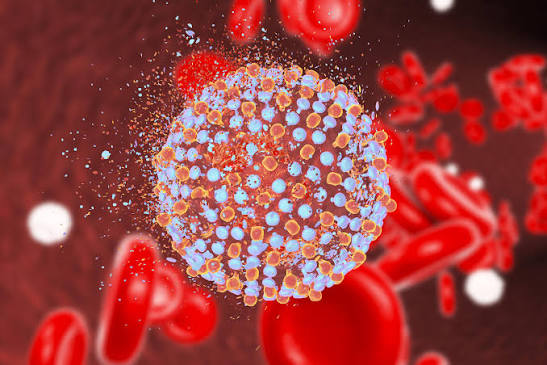
England: England is making significant progress towards eliminating hepatitis C, with treatment coverage already reaching a major national target and deaths linked to the virus continuing to decline.
Recent figures indicate that England has already achieved its goal of treating at least 80% of people diagnosed with hepatitis C. More than 100,000 people have been diagnosed and treated since 2015, marking substantial progress in the country's efforts to tackle the liver disease.
Hepatitis C is a viral infection that primarily affects the liver. It is mainly transmitted through contact with infected blood, including through the sharing of needles or other equipment contaminated with blood. Donated blood is routinely screened to prevent transmission through blood transfusions.
One of the biggest challenges in tackling hepatitis C is that the infection can remain unnoticed for years. Many people experience few or no symptoms in the early stages, allowing the virus to damage the liver without the person knowing they are infected. If left untreated, hepatitis C can eventually lead to severe liver disease and other potentially serious complications.
England's progress has been supported by wider testing initiatives designed to identify people who may have the infection but have never been diagnosed. Testing in emergency departments, screening linked to GP registration and free home-testing services have helped expand access to diagnosis.
Modern antiviral treatment has also transformed the outlook for people with hepatitis C. A course of direct-acting antiviral medicines lasting around 8 to 12 weeks can cure more than 95% of infections, making early diagnosis and treatment particularly important.
Despite the progress, England still has work to do to meet all of its elimination targets. Around 50,200 adults were estimated to be living with hepatitis C in 2024, while approximately 84.6% were believed to have been diagnosed. This remains below the target of diagnosing 90% of people living with the infection.
Deaths associated with hepatitis C have also fallen significantly, with mortality down by around 36% compared with a decade earlier. However, the reduction remains short of the long-term target of a 65% fall from 2015 levels.
Health authorities are continuing to encourage people who may have been exposed to hepatitis C to get tested, particularly those from countries or groups where historical infection rates have been higher. Free and confidential home-testing options are available, allowing people to check their status without initially visiting a GP.
With diagnosis and treatment rates improving and hepatitis C-related deaths falling, England is moving closer to its goal of eliminating the virus as a major public-health threat. The focus now remains on finding undiagnosed infections, ensuring patients receive effective treatment and closing the remaining gap before the 2030 elimination target.